How Las Vegas and Gambling Has Changed Over the Years
Discover how Las Vegas gambling evolved from small Fremont Street casinos into modern megaresorts with advanced slots, sportsbooks and rewards. Las Vegas has always been a city of change. Casinos are demolished and replaced, technology transforms the gaming floor and every generation experiences a different version of the city.
Las Vegas began as a small railroad town before becoming famous for downtown gambling halls, neon signs and mob-connected casino operators. The Strip later introduced luxurious resorts, celebrity entertainment and enormous themed hotels.
Today, Las Vegas combines gambling with professional sports, concerts, restaurants, shopping and attractions. Casinos remain at the heart of the experience, but how people gamble and what they expect from a Las Vegas vacation have changed dramatically.
Las Vegas Began as a Railroad Town
Las Vegas was officially founded in 1905 following a railroad land auction. Fremont Street became the center of the small community because it was located close to the train depot. Early Las Vegas looked nothing like the destination people recognize today. It served railroad workers, ranchers and travelers moving through Southern Nevada.
Gambling was common in the West, but Nevada outlawed commercial gambling in 1910.
The ban did not eliminate gambling completely. Some games continued behind closed doors until Nevada eventually brought the industry back under state law.
Nevada Legalized Gambling in 1931
The biggest turning point came on March 19, 1931, when Nevada legalized wide-open gambling. The decision came during the Great Depression, when the state needed employment, visitors and additional tax revenue. Construction of nearby Boulder Dam, now known as Hoover Dam, brought thousands of workers to Southern Nevada and helped the region grow.
Legal casinos quickly appeared in downtown Las Vegas. The Northern Club received Nevada’s first gaming license, while other businesses added slot machines and table games. These early casinos were much smaller and less luxurious than today’s properties. They resembled gambling halls rather than complete vacation resorts. Their main attractions were casino games, inexpensive drinks and a lively atmosphere.
Fremont Street Became the Center of Gambling
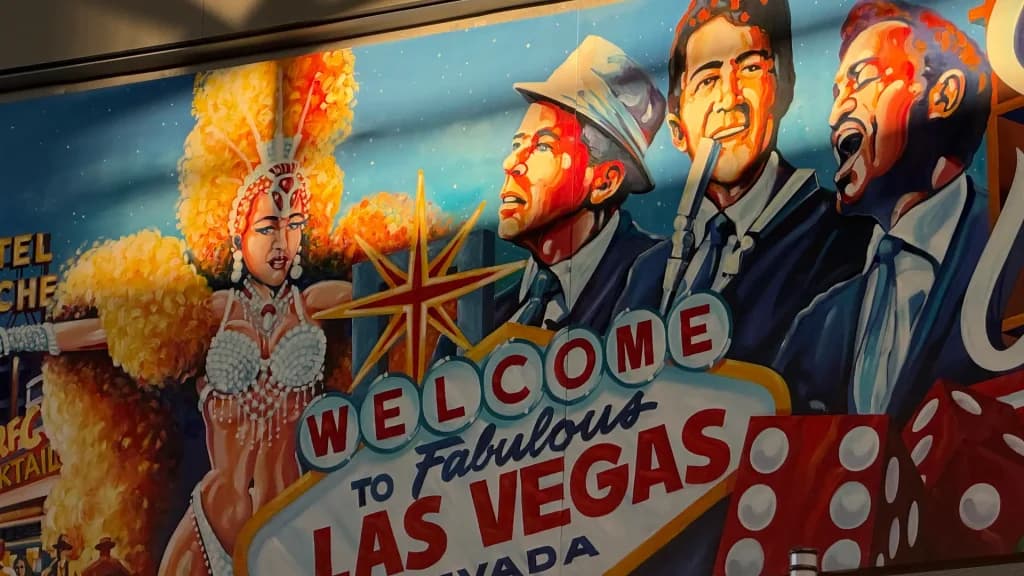
Before the Strip became famous, Fremont Street was the heart of Las Vegas gambling.
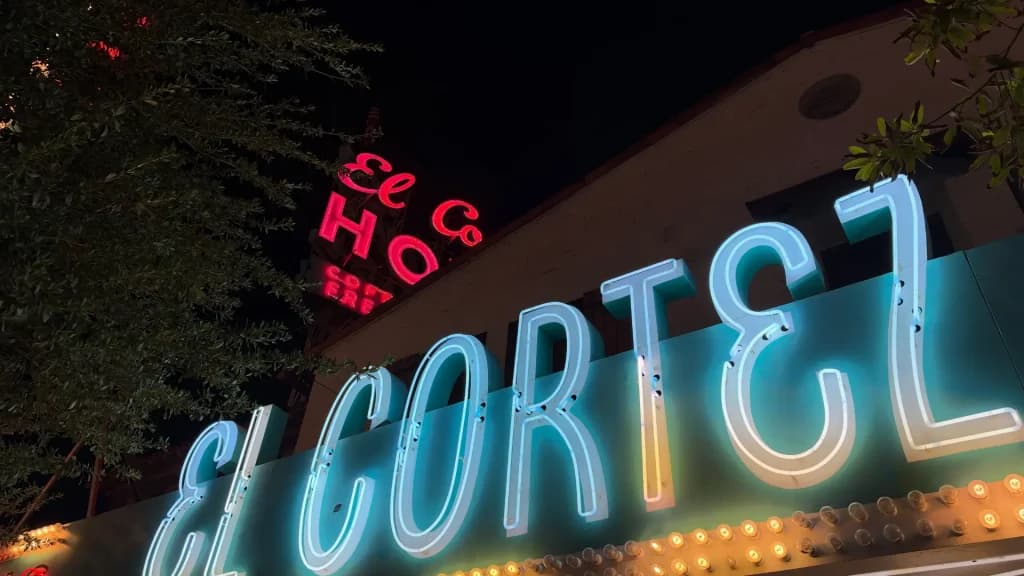
Casinos competed for attention using increasingly large signs, flashing bulbs and neon displays. These lights turned an ordinary commercial street into a nighttime attraction unlike anything most visitors had seen. El Cortez opened in 1941 and remains one of the strongest connections to this early period. Other downtown properties, including the Golden Nugget, Binion’s and the Fremont, helped make the area nationally famous.
Vegas Vic, the giant neon cowboy installed outside the Pioneer Club in 1951, became one of the city’s most recognizable symbols. Downtown casinos were designed for people walking along Fremont Street. Their entrances were close together, making it easy to move between properties. Low table limits, affordable meals and a casual gambling atmosphere became important parts of the downtown experience.
Many of those qualities can still be found today, even though the area now includes the Fremont Street Experience, live entertainment, zip lines and renovated casinos.
The Strip Changed the Casino Resort
The Las Vegas Strip developed outside the official city limits along a section of Highway 91. El Rancho Vegas opened in 1941 and is widely recognized as the Strip’s first major casino resort. It combined gambling with hotel rooms, restaurants, entertainment, landscaped grounds and a swimming pool. Casinos were no longer simply places to gamble.
They were becoming complete resorts where guests could sleep, eat, relax and see a show without leaving the property. The Last Frontier followed in 1942, while the Flamingo opened in December 1946. Although the Flamingo was not the first casino on the Strip, its luxurious design helped create a glamorous new image for Las Vegas. During the 1950s, resorts including the Desert Inn, Sands, Sahara, Riviera and Tropicana transformed the Strip into an internationally recognized destination.
Nevada Gaming Comission Created
Nevada created the Gaming Control Board in 1955 and the Nevada Gaming Commission in 1959. Stronger licensing requirements and oversight helped establish a more regulated industry. Howard Hughes accelerated another important transition when he purchased the Desert Inn in 1967 and later acquired several other properties. His arrival helped give casino ownership a more mainstream business image. Corporations could raise more money than individual operators or hidden investors. This allowed developers to build larger hotels, bigger casinos and more elaborate attractions.
The Mirage Introduced the Mega-Resort Era
The opening of The Mirage in 1989 marked the beginning of a new Las Vegas era. The resort featured thousands of hotel rooms, a tropical environment, major entertainment and an erupting volcano facing the Strip. It demonstrated how a huge attraction could transform an entire resort into a destination. Other megaresorts followed, including Excalibur, Luxor, Treasure Island, MGM Grand and Bellagio.
These properties competed through architecture, themes and attractions as much as gambling. Visitors could stay inside an Egyptian pyramid, watch a pirate battle or stand in front of dancing fountains. The casino floor remained important, but it was now only one part of a much larger experience.
Slot Machines Became More Advanced
Table games such as blackjack, craps, roulette and baccarat helped create the classic image of early Las Vegas. Slot machines were originally simple mechanical devices that accepted coins and used physical reels. Players pulled a lever and waited for matching symbols. Mechanical reels were gradually replaced by electronic and video machines. Casinos introduced multiple paylines, themed games, progressive jackpots and interactive bonus rounds. Coin buckets largely disappeared when ticket-in, ticket-out technology became widespread. Instead of collecting coins, players now receive a printed ticket that can be inserted into another machine or redeemed at a kiosk. Modern slot machines feature large screens, advanced sound, licensed characters and elaborate bonuses. Some offer jackpots linked across several machines or multiple casinos. The basic idea of spinning the reels remains familiar, but the experience is completely different from the early days of Las Vegas.
Casino Loyalty Programs Changed Gambling
Early casinos often rewarded valuable players through personal relationships with managers and casino hosts. Modern properties use detailed loyalty systems to track gambling and eligible resort spending. Players insert a rewards card into a slot machine or provide it when sitting down at a table. The casino can use that information to estimate the customer’s value and determine potential rewards, including:
- Complimentary hotel rooms
- Casino free play
- Food and beverage credits
- Resort discounts
- Tier-status benefits
- Show tickets
- Special-event invitations
- Casino-host services
Modern programs may also reward eligible hotel, restaurant, entertainment and retail spending. This makes casino marketing much more personalized. Two visitors staying at the same hotel might receive completely different future offers based on their recorded gambling and pending.
Sports Betting Became a Major Attraction
Las Vegas sportsbooks were once simple rooms filled with odds boards, betting windows and rows of seats. Today, many resemble luxury sports arenas. They feature enormous video walls, reserved seating, bars, restaurants and private viewing areas. Mobile betting has also changed the experience. Eligible customers can place wagers through approved apps instead of returning to a betting window for every transaction.
The arrival of professional teams such as the Vegas Golden Knights and Las Vegas Raiders has strengthened the connection between gambling, professional sports and Las Vegas tourism.
Las Vegas Is No Longer Only About Gambling
Gambling remains one of the foundations of Las Vegas, but modern resorts earn money from many other parts of the visitor experience. Hotel rooms, restaurants, nightclubs, concerts, shopping, spas, conventions and attractions have become major businesses.
Older casinos frequently used inexpensive rooms and meals to attract gamblers. Modern resorts are more likely to treat dining, entertainment and premium hotel experiences as profitable attractions of their own. A visitor can now spend an entire Las Vegas vacation attending shows, watching sports, visiting pools and eating at restaurants without placing a casino wager. This has helped Las Vegas remain successful as casinos have expanded across the United States and around the world. Gambling may be available in many destinations, but few can match the complete experience offered by Las Vegas.
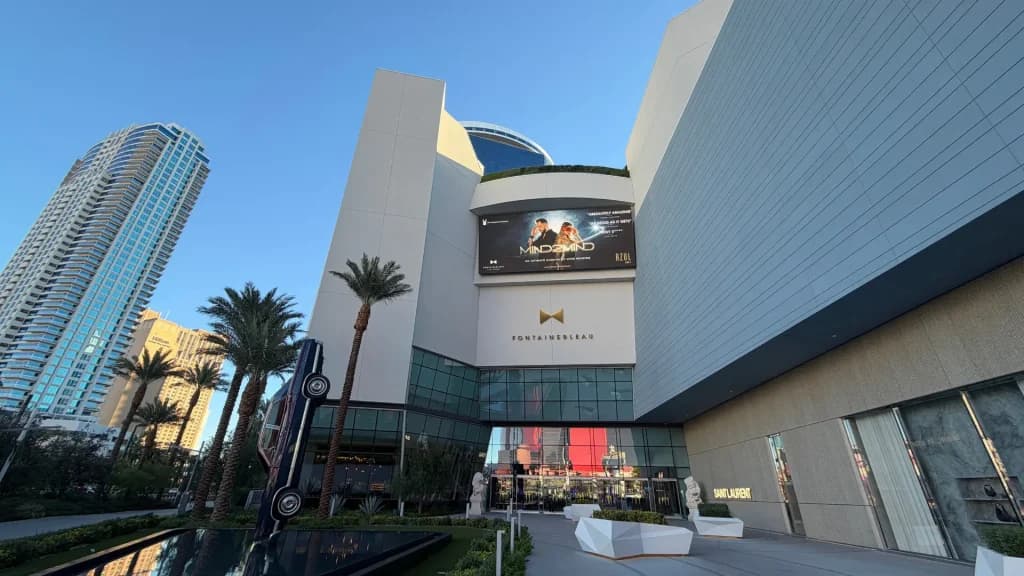
Some Parts of Old Las Vegas Are Disappearing
Many longtime visitors remember when Las Vegas was known for inexpensive buffets, complimentary drinks, free parking, low table limits and affordable hotel rooms. Some of these deals still exist, especially downtown and away from the Strip. However, resort fees, paid parking, expensive restaurants and higher table minimums have changed the value of a typical vacation. Casino floors have changed as well. Traditional machines are being replaced by video slots, electronic table games and stadium-style gaming. Las Vegas is more polished and technologically advanced, but it can also feel more expensive and less personal than it did in previous decades.
Las Vegas Continues to Reinvent Itself
Several eras of Las Vegas can still be experienced during the same trip. Visitors can walk through historic El Cortez, see vintage neon signs downtown and then travel to the Strip to explore a modern megaresort. Traditional reel-style slots can sit near enormous video machines, while an old cocktail lounge can operate near a massive sports venue. The gambling halls became casino hotels. Casino hotels became themed resorts. Themed resorts became luxury megaresorts and complete entertainment destinations.
Las Vegas is very different from the city people visited in the 1930s, 1950s or 1990s. However, the excitement of gambling remains one of the threads connecting every era. The buildings, games and technology will continue to change. The promise of Las Vegas remains the same: visitors arrive hoping to experience something exciting, and perhaps leave as a winner.