
How Casino Comps Really Work in Las Vegas

Author: Las Vegas Vlogger, @Sayhitomatthew, writes about their first-hand experiences with Las Vegas to give us valuable tips. Matthew is a self-proclaimed foodie who regularly reviews Las Vegas restaurants, buffets, and off-strip eateries as well as providing tours of the Las Vegas Strip, resort rooms, and updates on the newest developments in Sin City.
Learn how Las Vegas casino comps work, including free rooms, food credits, free play, player ratings, theoretical loss and casino hosts. Free hotel rooms, casino free play, food credits and complimentary suites can make Las Vegas offers feel like free gifts. However, casino comps are actually marketing rewards based on the value a casino expects to receive from a customer’s gambling activity.
Understanding the system can help you receive the benefits you have earned without gambling more than you planned simply to chase another reward.
What Is a Casino Comp?
“Comp” is short for complimentary. It describes a benefit provided by a casino based on a customer’s gambling activity, loyalty or eligible resort spending.
Common casino comps include:
- Complimentary or discounted hotel rooms
- Casino free play
- Food and beverage credits
- Resort credits
- Suite upgrades
- Show tickets
- Free parking
- Priority lines
- Tournament invitations
- Transportation or airport pickup
Casinos offer these benefits because they want players to stay longer and return in the future. Some rewards are earned directly through a loyalty program and can be redeemed for eligible purchases. Others are personalized offers based on previous casino activity. These can include free rooms, free play, resort credits and benefits arranged by a casino host.

Always Use Your Players Card
A casino cannot properly track your gambling if it does not know who is playing. Slot and video poker players should insert or tap their loyalty card before beginning a session. Table-game players normally give their card to the dealer or floor supervisor when sitting down.
Using your card consistently is important. If you forget to insert it or remove it too early, part of your activity may not be recorded.
Some Las Vegas loyalty programs also award points or tier credits for eligible hotel rooms, restaurants, entertainment, spa services and retail purchases. You may need to attach your membership number to the reservation, present your card when paying or charge purchases to your hotel room. Every loyalty program has different rules, so always check which purchases qualify.
Casinos Focus on Your Expected Loss
One of the biggest casino-comp misconceptions is that losing more money automatically produces a better offer. Casinos generally focus on a player’s theoretical loss, commonly called “theo.” This is the amount the casino statistically expects to earn from someone’s gambling activity over time.
It is not necessarily the amount that person won or lost during one visit. For example, one player could lose $1,000 in a few minutes and stop playing. Another could bring $500, play for several hours and leave with most of the money. The second player may generate more casino value because they placed more wagers over a longer period.
A player can win during a trip and still receive future offers because the casino is looking at the mathematical value of the recorded activity—not just the final result.
What Determines Your Casino Rating?
Casinos use several factors to estimate the value of a player’s activity.
Average Bet
The casino considers how much you normally wager. At a table game, a floor supervisor may estimate your average bet throughout the session. Making one unusually large wager will not normally cause the entire session to be rated at that amount.
Time Played
Playing longer gives the casino’s mathematical advantage more opportunities to operate. Time can therefore have a major effect on a player’s theoretical value.
Game Type
Different games have different house advantages. Slots, video poker, blackjack, roulette, baccarat and craps may not generate comps at the same rate. Even different slot machines or video poker pay tables can produce different ratings.
Total Amount Wagered
Casinos care about the total amount wagered, not only how much cash you initially put into a machine. suppose you insert $100 into a slot. Small wins allow you to continue playing, and by the end of the session you have made $500 worth of total wagers. Your coin-in would be $500 even though you originally inserted only $100.
Trip Length
Some casinos evaluate activity by gaming day or average daily theoretical value. Spreading the same gambling budget across four days may produce a different rating than concentrating it into two days. Each casino defines its gaming day and calculates trip activity differently.
How Slot Players Are Rated
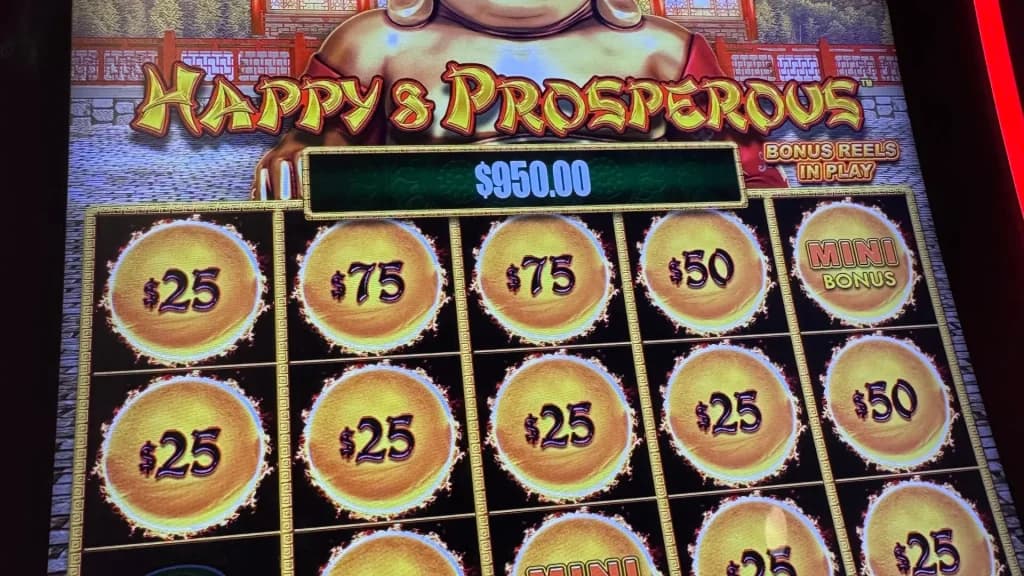
Slot activity is tracked electronically when your loyalty card is connected to the machine. The system can record information such as the amount wagered, game type, denomination and length of the session. This makes slot ratings relatively precise. Remember that money inserted and coin-in are not the same thing. Coin-in is the total value of all wagers placed during the session, including money that may have been won and played again. The casino is primarily interested in the total recorded activity and the mathematical value of that play, not just whether you left the machine as a winner or loser.
How Table-Game Players Are Rated
Table-game ratings are less exact because they are normally estimated by casino staff.
A floor supervisor may record:
- The game being played
- The buy-in
- The estimated average bet
- The length of the session
- The approximate speed of play
If you change your wager frequently, the rating may not capture every bet perfectly. You can politely confirm that your loyalty card was entered and your play is being tracked.
Points, Tier Credits and Offers Are Different
Casino loyalty accounts can contain several types of rewards. Redeemable points may be used for eligible meals, hotel charges or resort purchases. Free play is generally used on eligible casino games. Tier credits determine your loyalty status and unlock published benefits, but they normally cannot be spent like money.
Personalized casino offers are different. They are frequently based on previous gambling activity rather than your available points or tier level. That is why two people with the same loyalty status can receive completely different offers. One person may have earned status through hotel and restaurant spending, while another earned it through significant casino play.

What Does a Casino Host Do?
Casino hosts assist players whose gambling activity meets the property’s requirements.
A host may help arrange:
- Complimentary rooms or casino rates
- Suite upgrades
- Restaurant reservations
- Food and beverage credits
- Show tickets
- Transportation
- Special-event invitations
Hosts do not have unlimited authority. The benefits they provide must generally fit the player’s recorded activity and the casino’s internal guidelines. At the end of a trip, you can ask whether any eligible room charges can be reviewed. This is sometimes called a back-end comp. Additional comps are never guaranteed. If your original offer already included a valuable room, free play and resort credits, the casino may decide that your available comp value has already been used.
Today’s Play Can Affect Future Offers
A generous offer is normally based on previous gambling activity. When you accept it, the casino may compare the value of the benefits you used with the activity generated during your new visit.
If your play is much lower than the activity that produced the offer, future benefits could decrease. Stronger recorded play may lead to improved offers. This does not mean a complimentary room requires you to gamble a particular amount unless the terms specifically say so. However, repeatedly accepting casino offers without producing meaningful play may affect what the property sends you in the future.
How to Get the Most From Casino Comps
You can make sure your eligible activity is recorded by following a few simple practices:
Join the loyalty program before playing.
Use your card consistently.
- Give your card to the dealer at table games.
- Attach your account to eligible hotel reservations.
- Keep receipts until your points appear.
- Review offers for resort fees, expiration dates and blackout dates.
- Report missing activity to the rewards desk before leaving.
- Check the latest program rules because benefits can change.
Concentrating your normal play with one or two casino companies may produce stronger offers than spreading short sessions across many unrelated casinos. However, you should never change your vacation plans or exceed your budget solely to improve your rating.
Never Gamble More Just to Earn a Comp
The most important rule is never to chase casino comps. A complimentary buffet is not valuable if you lose hundreds of extra dollars trying to earn it. A free hotel room can become extremely expensive when you exceed your budget because you are worried about receiving future offers. Set a comfortable entertainment budget before your trip. Play the games you genuinely enjoy and allow the casino to track that activity. Treat complimentary rooms, meals and free play as additional benefits, not as reasons to gamble more.
Casino comps can reduce the cost of a Las Vegas vacation, but they are most valuable when they reward gambling you already planned to do. Use your players card, understand the program and enjoy every benefit you legitimately earn without letting an offer determine how much you are willing to lose.
More Articles by SayHiToMatthew

July 27, 2026
A Day in Las Vegas on a $100 Gambling Budget
Discover how to spend a full day in Las Vegas with a $100 gambling budget. Learn where to play, what to eat, and how to maximize casino comps

September 1, 2026
How to Eat Your Way Through Las Vegas – From Cheap Eats to Luxury Dining
Discover how to eat your way through Las Vegas, from affordable eats and famous buffets to food halls, steakhouses, celebrity chef restaurants
June 29, 2026
Casino Terms Everyone Should Know
Casino Terms Everyone Should Know Author: Las Vegas Vlogger, @Sayhitomatthew, writes about their first-hand experiences with Las Vegas to give us valuable tips. Matthew is a self-proclaimed foodie who regularly reviews Las Vegas restaurants, buffets, and off-strip eateries as well as providing tours of the Las Vegas Strip, resort rooms, and updates on the newest […]